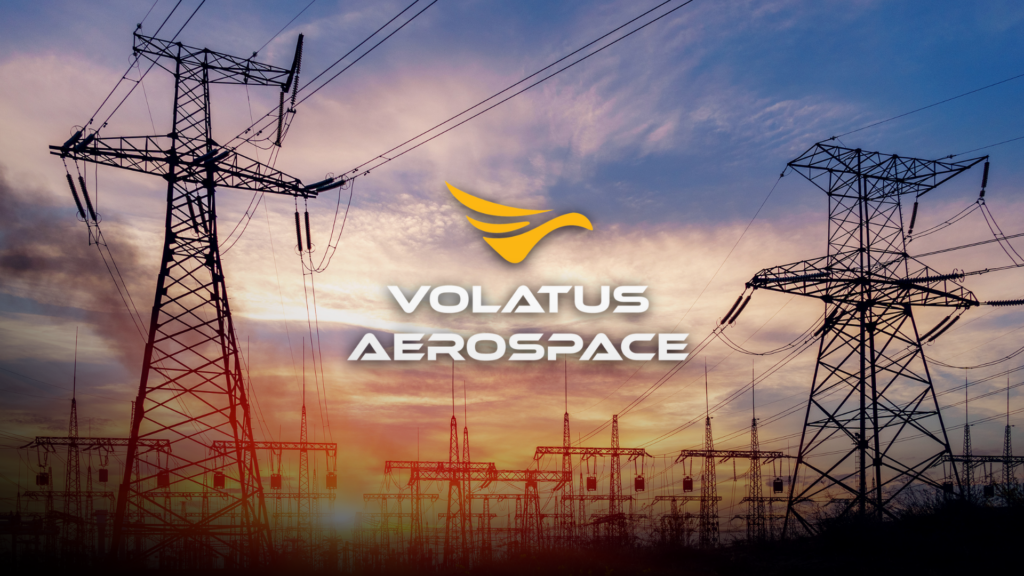
Power lines and substations are critical to maintaining a reliable electrical grid, making regular inspections essential for preventing outages and extending asset life. Traditionally, utilities have relied on manual inspections using ground patrols, climbing equipment, or bucket trucks. While effective for detailed repairs, these inspections can be time-consuming, labor-intensive, and expose workers to hazardous environments.
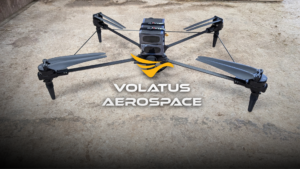
Drone technology is transforming utility inspections. Equipped with high-resolution cameras, thermal sensors, and lidar, drones enable utilities to inspect infrastructure safely from the air while collecting detailed data that supports faster, smarter maintenance decisions.
The Challenges of Manual Inspections
Manual inspections remain an important part of utility maintenance, but they have limitations. Crews often work at height or near energized equipment, increasing exposure to fall and electrical hazards. Inspecting long transmission corridors or multiple substations also requires significant time, manpower, and travel, making frequent inspections difficult and costly.
Traditional inspections rely largely on visual observations, meaning issues such as overheating connectors, deteriorating hardware, or vegetation encroachment may go undetected until they become costly failures.
Read More About Asset Inspections at Volatus Aerospace
Why Drone Inspections Are Changing Utility Maintenance
Drone inspections provide a safer and more efficient alternative by capturing high-quality data without requiring personnel to access every structure.
Key benefits include:
- Improved Safety: Operators remain safe on the ground, reducing exposure to hazardous environments.
- Faster Coverage: A single flight can inspect multiple poles, towers, or substation assets, reducing inspection time across large networks.
- No Unnecessary Outages: Many inspections can be performed while infrastructure remains energized, minimizing service disruptions.
- Higher-Quality Data: HD imagery, thermal imaging, and lidar detect overheating components, structural defects, conductor sag, and vegetation encroachment with greater accuracy than visual inspections alone.
- Predictive Maintenance: Geo-referenced inspection data allows utilities to monitor asset conditions over time and address issues before they become major failures.
Rather than replacing field crews, drone inspections help utilities deploy maintenance teams where they are needed most.
Cost Comparison: Where Drone Inspections Deliver ROI
Although drones require an initial investment, they often reduce overall inspection costs.
With fewer personnel, less equipment, and reduced travel requirements, drone inspections lower labour and operational expenses. Many inspections can also be completed without planned outages, avoiding the financial impact of service interruptions.
The biggest return on investment comes from early fault detection. Thermal imaging identifies overheating connectors, failing insulators, and other developing issues before they cause outages, allowing utilities to perform scheduled maintenance instead of costly emergency repairs.
Manual vs. Drone Inspection
| Inspection Area | Manual Inspection | Drone Inspection |
| Worker Safety | Crews work near energized equipment or at height | Operators remain safely on the ground |
| Inspection Speed | One structure at a time | Multiple structures per flight |
| Data Collection | Visual observations and notes | HD imagery, thermal imaging, Lidar, and GPS data |
| Operational Impact | May require planned outages | Often performed without service interruptions |
| Maintenance Planning | Reactive or scheduled | Data-driven and predictive |
Why Choose Volatus?
Technology alone doesn’t deliver better inspections, rather expertise does.
Volatus combines advanced UAV platforms with HD visual cameras, thermal sensors, lidar, RTK/PPK positioning, and AI-assisted analytics to provide survey-grade inspection data for power lines and substations. Instead of simply delivering aerial footage, Volatus provides geo-referenced, decision-ready reports that integrate into utility maintenance and asset management workflows.
By identifying defects earlier, reducing manual review time, and supporting proactive maintenance planning, Volatus helps utilities improve worker safety, reduce operational costs, and increase infrastructure reliability.
Conclusion
As utility networks expand and infrastructure ages, traditional inspection methods alone are no longer enough. Drone inspections offer a safer, faster, and more cost-effective approach by reducing worker risk, improving inspection quality, and enabling predictive maintenance.
By combining advanced drone technology with actionable analytics, Volatus helps utilities move beyond reactive inspections and build a smarter, more resilient approach to managing critical power infrastructure. Reach out today to learn more.