
Connect aerial intelligence with real-time decision-making. Volatus Aerospace delivers live video, sensor data, and centralized remote operations to support inspections, infrastructure monitoring, emergency response, and coordinated missions across distributed locations.
Aerial operations can provide teams with access to live information from sites that may be remote, difficult to access, or spread across large geographic areas. Volatus supports live video streaming and remote operations as part of its aerial inspection, surveillance, monitoring, and response capabilities.
Live video, imagery, telemetry, and selected sensor information can be transmitted to authorized users during applicable missions. Remote operations allow trained personnel to monitor aircraft, mission status, communications, and available sensor feeds from a centralized operating environment.
The specific capabilities available depend on the aircraft, payload, communications infrastructure, operating environment, and requirements of each mission.
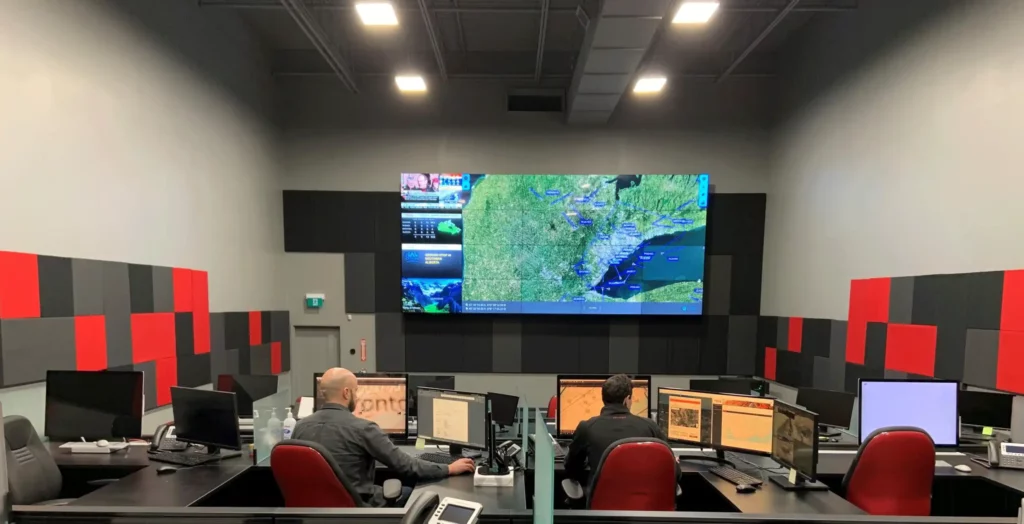
Live streaming is the transmission of aerial video or selected sensor information from an aircraft to authorized users while a mission is underway. It provides access to current aerial information without requiring users to be physically present at the operating site.
Remote operations extend this capability by enabling aircraft and missions to be monitored, and where authorized flown, from a centralized operating environment. Operators can monitor aircraft position, system status, communications, available sensor feeds, and mission progress according to the capabilities of the selected platform and operating system.
The process begins by selecting aircraft and sensors based on mission requirements. Depending on the application, Volatus can deploy visual, thermal, lidar, and other sensing technologies.
During the mission, video, imagery, telemetry, and available sensor data can be transmitted through the appropriate communications system, including cellular or satellite connectivity where supported.
Authorized users can access available information in real time, while Volatus personnel monitor aircraft status, communications, sensor feeds, and mission progress.
For every operation, aircraft, communications, procedures, and regulatory requirements are configured to suit the mission. Captured data can then be incorporated into inspection, monitoring, reporting, GIS, and asset-management workflows
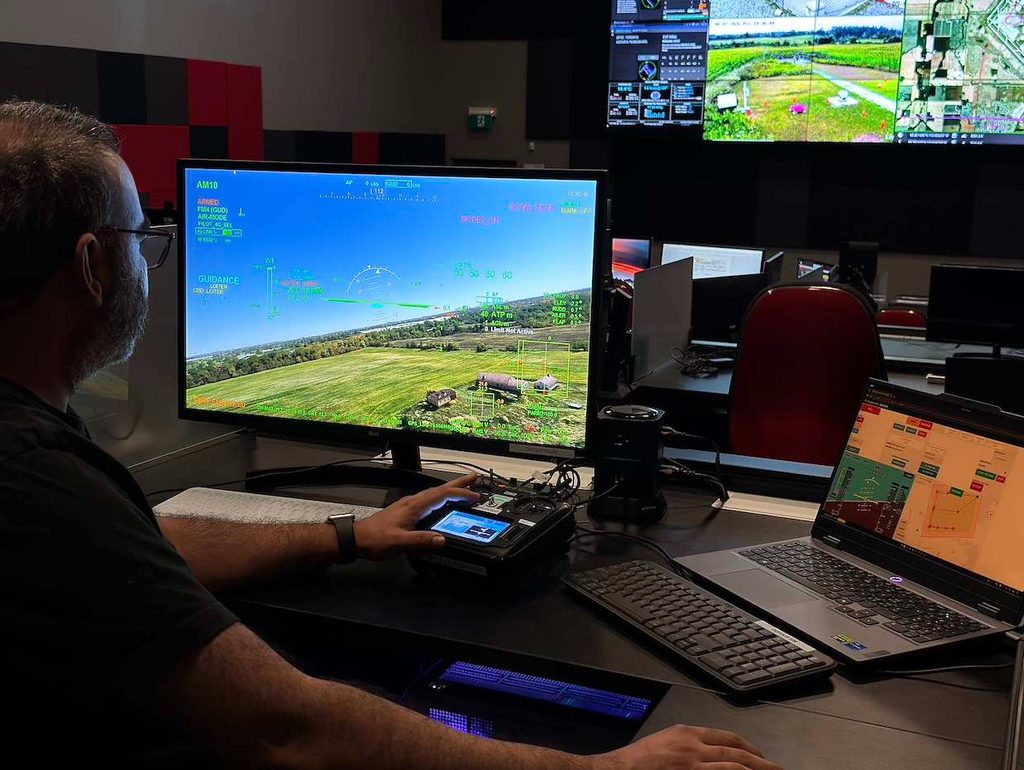
Volatus’s Operations Control Centre (OCC) provides a centralized environment for monitoring and coordinating applicable remotely piloted and autonomous aircraft operations.
From the OCC, trained personnel can monitor aircraft position, system status, communications, sensor feeds, and mission progress in real time. The OCC can also support mission planning, operational coordination, airspace awareness, and delivery of live information to authorized stakeholders.
The OCC connects remote aircraft, field teams, sensors, communications networks, and customer stakeholders within a coordinated operational framework.
For multi-site or BVLOS operations, centralized oversight can support missions across geographically distributed locations while maintaining a consistent operational approach.
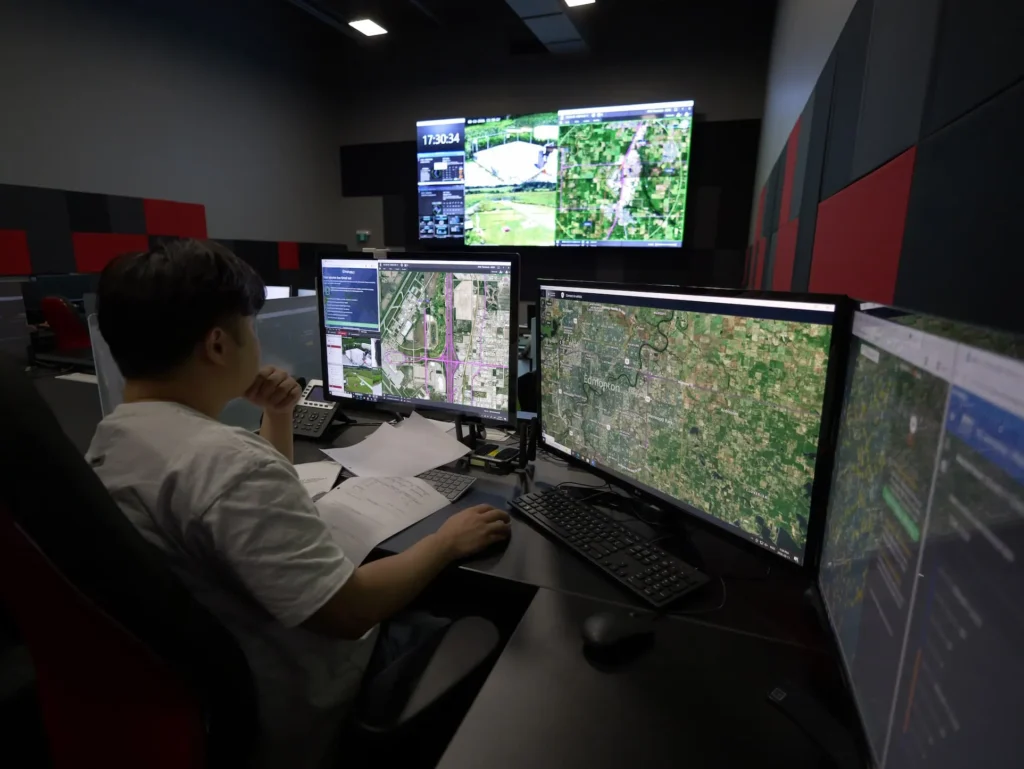
Live streaming provides authorized users with access to aerial video and selected sensor information while a mission is underway. It can support:
Remote operations go beyond viewing a live feed. They involve centralized monitoring and coordination of applicable aircraft and missions and, where authorized, remote piloting from the Operations Control Centre.
Live aerial feeds provide current information during a mission, helping teams respond to changing site conditions.
Teams can monitor sites and assets without needing to be physically present at the operating location.
Centralized monitoring helps coordinate aircraft, personnel, communications, and available sensor information.
Remote operations can support geographically distributed sites and repeatable monitoring programs, subject to operational and regulatory requirements.
Where appropriate, remote monitoring can reduce the need for personnel to remain continuously at the aircraft's operating location.
Live streaming and remote operations are configured around the aircraft, communications infrastructure, operating environment, and mission requirements.
Network availability and coverage influence the transmission of live video and sensor data. Cellular, satellite, or other connectivity options may be used depending on the mission. Available bandwidth also affects video quality and latency.
Available video and sensor feeds depend on the aircraft and payload selected. Capabilities vary across platforms and mission configurations.
Terrain, distance, weather, infrastructure, and site conditions are considered when planning and operating the mission.
Remote and BVLOS operations require appropriate procedures, risk controls, and regulatory authorizations where applicable. Volatus holds Transport Canada Special Flight Operations Certificates for BVLOS operations, including a national approval for night BVLOS operations in qualifying airspace.
Volatus combines aerial platforms, sensor systems, communications infrastructure, and operational expertise to support live streaming and remote operations.
Aircraft and payload selection determine the available imagery and sensor data, while the communications architecture determines how information is transmitted and accessed during the mission.
For applicable remote operations, the Operations Control Centre provides centralized oversight of aircraft, mission status, communications, and available sensor feeds. This can support BVLOS operations, multi-site programs, and missions conducted away from the operating team.
Where appropriate, remote operations can also be integrated with autonomous systems and repeatable mission workflows, with the overall setup tailored to the aircraft, operating environment, mission objectives, and regulatory requirements.
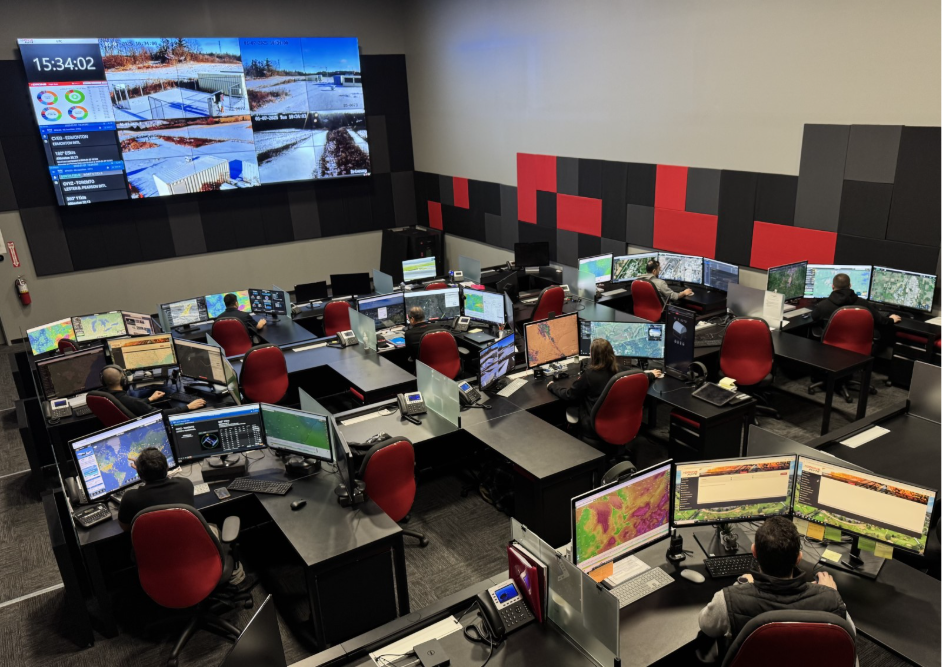
Whether you need live aerial visibility, remote inspection, centralized mission oversight, or a recurring monitoring program, the operational approach should be designed around the requirements of the site and application. Volatus can help determine the appropriate aircraft, sensors, communications architecture, and operational approach for your program.