Gas Leak Detection

See beyond conventional visual inspection.

Identify potential methane leaks, fugitive emissions and detectable gas anomalies with sensing technology selected for your asset and inspection objective.

Another layer of asset intelligence.

Gas emissions and fugitive leaks can be difficult to identify through conventional visual inspection alone.

Volatus Aerospace integrates specialized gas-detection technologies into aerial inspection programs to help identify potential methane leaks, fugitive emissions and other detectable gas anomalies across pipelines, industrial assets, infrastructure corridors and other critical infrastructure.

Depending on the inspection objective, Volatus can deploy Optical Gas Imaging (OGI) or other appropriate gas-sensing technologies. OGI uses infrared imaging to visualize certain gas emissions, including methane and other hydrocarbons, while other sensing methods may provide different forms of detection or measurement.

Gas-detection findings can be georeferenced and, where appropriate, evaluated alongside RGB imagery, thermal data, Lidar and other inspection datasets to provide broader context around an asset or area of concern. The aerial platform, sensor configuration and inspection workflow are selected according to the asset, operating environment, inspection objective and required data.

What is of Optical Gas Imaging?

Optical Gas Imaging (OGI) is an infrared imaging technology that makes certain otherwise invisible gas emissions visible within inspection imagery. In aerial asset inspection, OGI can support the identification of potential methane leaks and fugitive hydrocarbon emissions that may not be apparent in conventional RGB imagery.

OGI is one gas-detection approach. Other sensing technologies may use different detection methods and provide different information, including concentration data or laser-based detection. Volatus selects the appropriate sensing approach based on what needs to be identified, the asset being inspected, the operating environment and the required output.
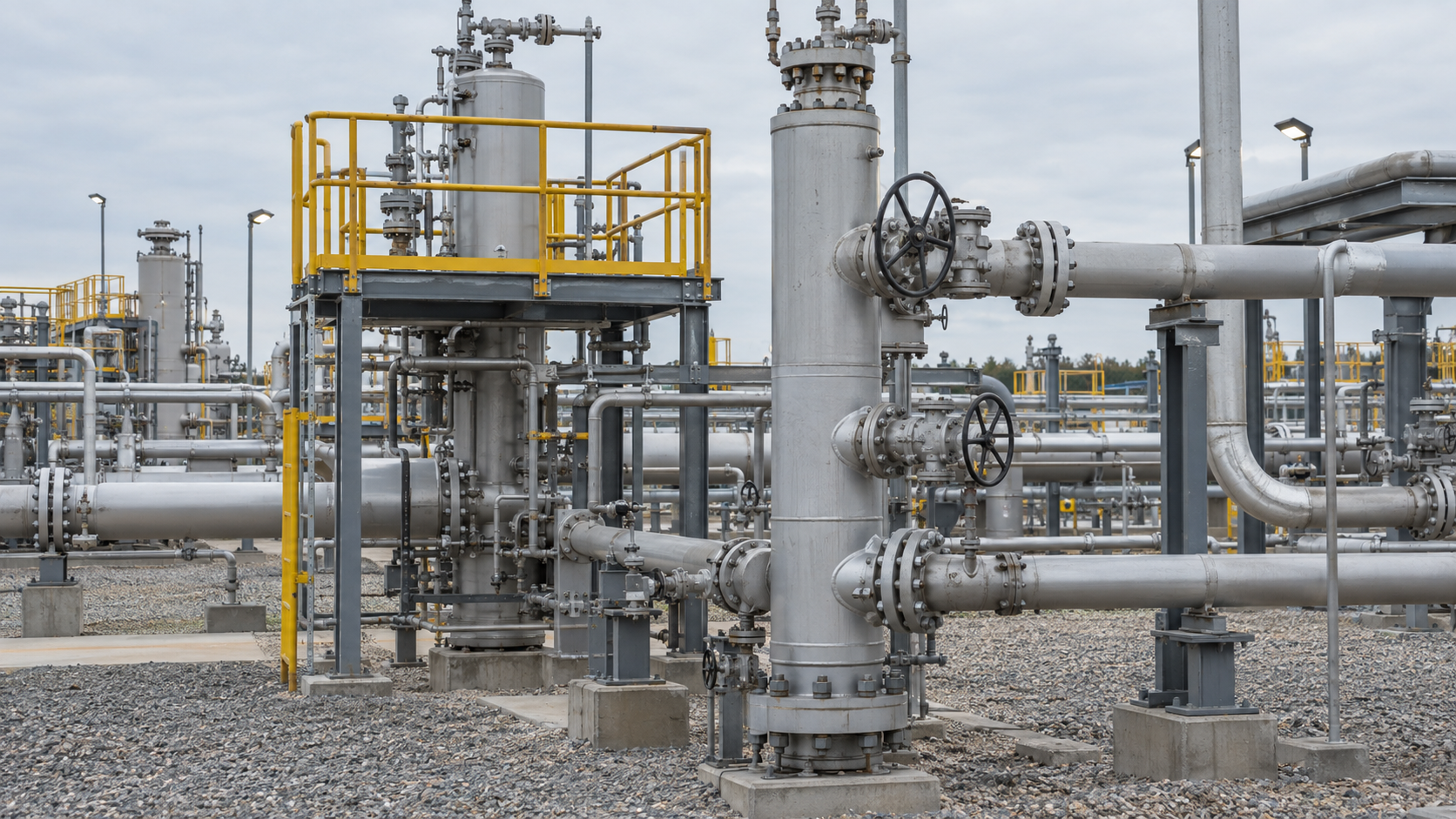
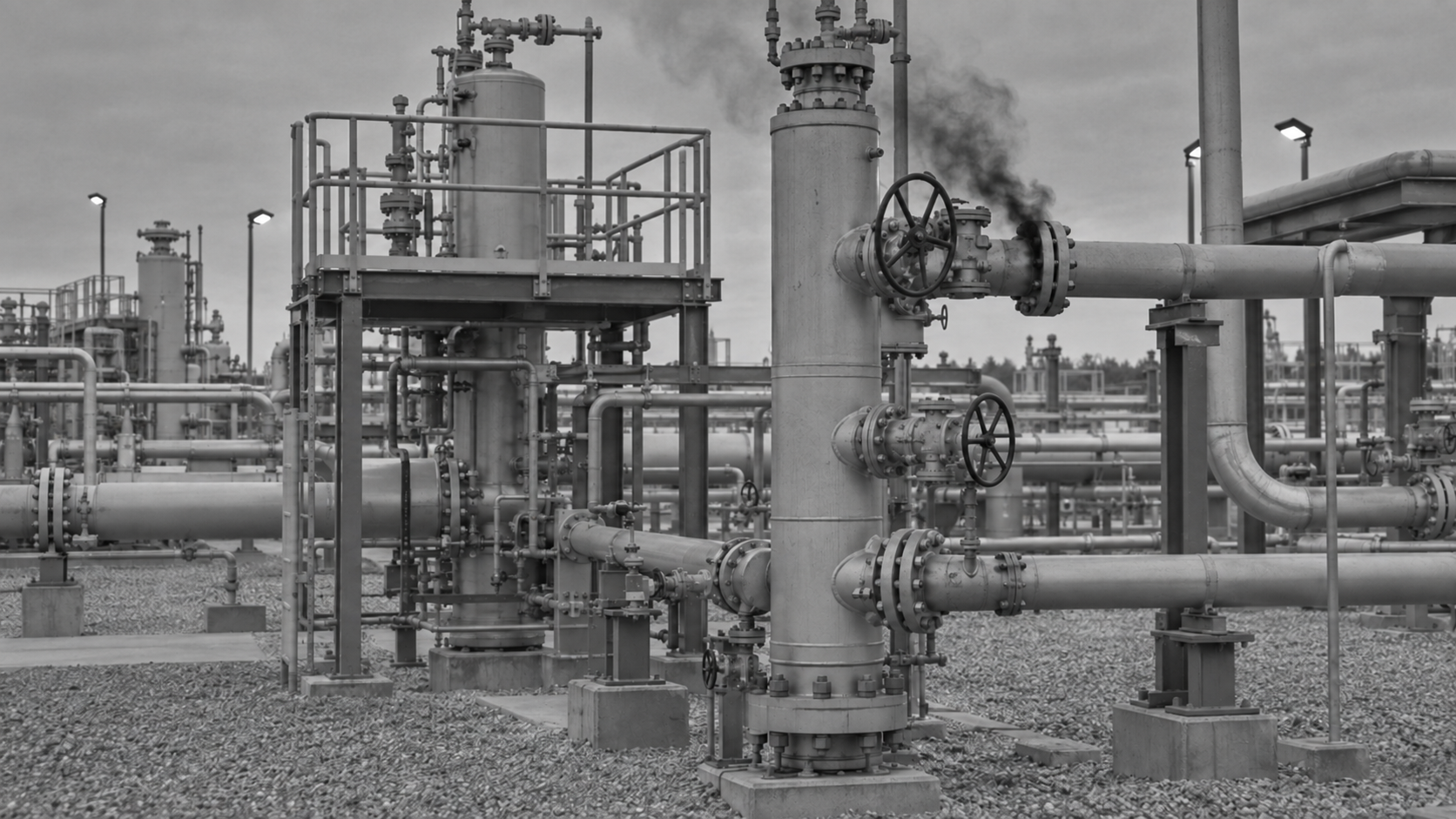
Visual daylight view of asset
Thermal infrared view of asset
RGB OGI/INFRARED
Drag the slider left or right to compare

How Gas Detection of Works in Inspection

01

Plan around the asset

Gas-detection inspections begin with the asset, area of interest and inspection objective. Volatus selects an appropriate aerial platform and sensing configuration, then plans the mission around the operating environment and required data.

02

Capture gas-related data

During collection, the selected gas-detection system captures information associated with detectable emissions. OGI uses infrared imaging to visualize compatible gas signatures; other sensing technologies may collect different gas-related measurements.

03

Locate & add context

Where positioning information is available, findings can be associated with geographic locations so inspection teams can map areas of interest and prioritize targeted follow-up. Gas-detection findings can also be reviewed alongside RGB, thermal, Lidar or other inspection data when additional asset context is required.

04

Report & support action

The resulting information can be incorporated into structured inspection reports, mapped findings and broader asset-management workflows according to the project requirements.

Industry Use Cases

Pipeline inspection

Support the identification of potential methane leaks and fugitive emissions associated with pipelines and supporting infrastructure.

Pipeline and corridor monitoring

Add gas detection to aerial inspection programs across rights-of-way and infrastructure corridors to identify and geolocate potential areas of concern.

Industrial asset inspection

Deploy appropriate gas-sensing technology around industrial infrastructure where methane, hydrocarbon or other compatible gas emissions are relevant to the inspection

Fugitive emissions monitoring

Use OGI or other appropriate sensing methods to identify, visualize or characterize detectable emissions, depending on the selected technology.

Water and wastewater infrastructure

Incorporate OGI into recurring inspection programs where methane emissions may be present around treatment infrastructure and associated equipment.

A single inspection. A longer-term view.

A single inspection provides a point-in-time view. When gas detection is incorporated into a recurring inspection program, repeatable collection can support ongoing monitoring, comparison and targeted follow-up.

A structured program can support: 

01

Gas-emission visualization

OGI can make compatible gas emissions visible within inspection imagery.

02

Potential emission identification

Gas sensing can help identify areas associated with potential methane leaks, fugitive emissions or other detectable gas anomalies.

03

Geospatial context

Findings can be associated with location information to support mapping, field verification and response.

04

Multisensor assessment

Gas-detection data can be reviewed alongside RGB, thermal, Lidar and other inspection datasets for additional asset context.

05

Targeted follow-up

Areas of concern can be prioritized for further investigation, ground verification, maintenance or remediation.

06

Structured inspection records

Findings can become part of repeatable reporting and asset-management workflows.
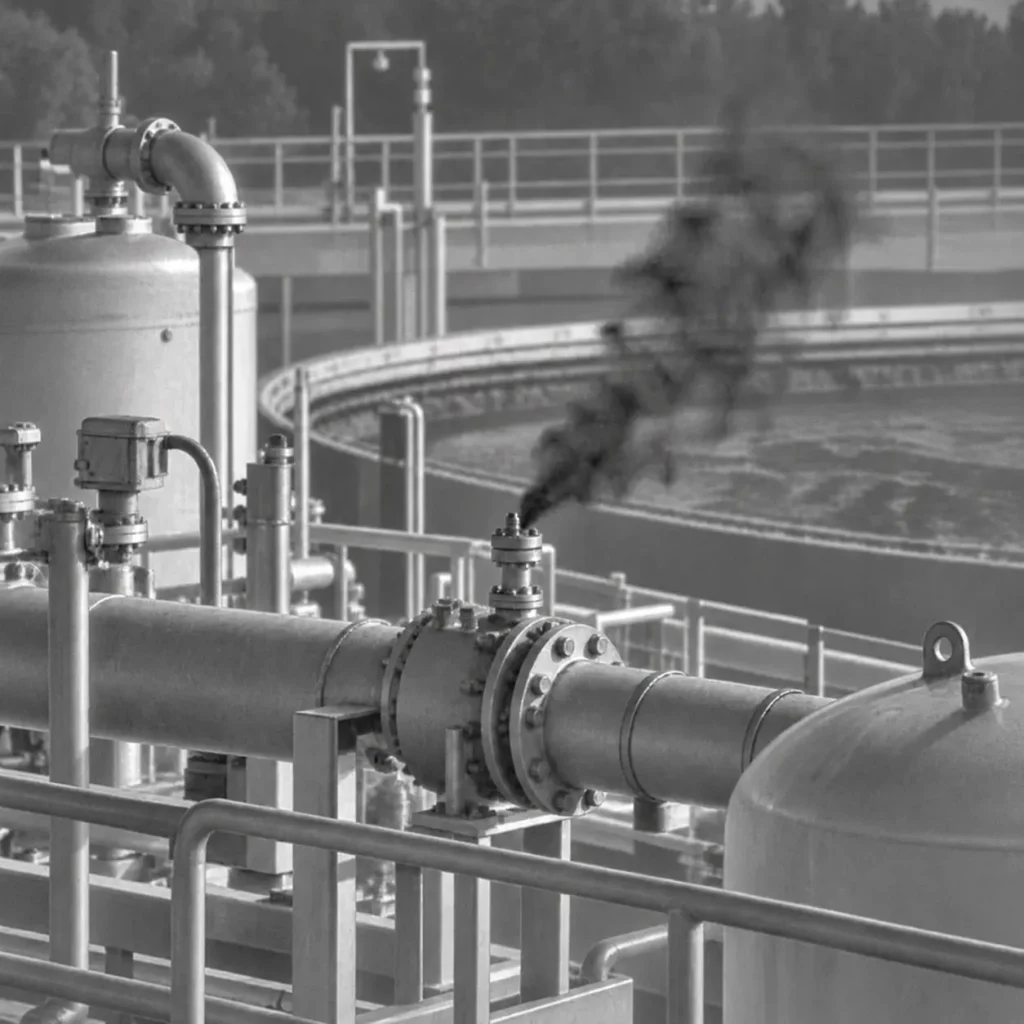
Detecting Fugitive Methane Across 14 Water-Treatment Facilities

01 / CHALLENGE

Look beyond visual inspection.

A recurring inspection program was required across 14 water-treatment facilities in northwest England to identify potential fugitive methane emissions without relying solely on conventional visual inspection.

02 / SOLUTION

Bring OGI into a recurring program.

Volatus, through its iRed Remote Sensing branch, deployed Optical Gas Imaging (OGI) to remotely inspect the facilities. OGI imagery was used to visualize detectable methane emissions and identify potential areas of concern. Repeat inspections created a consistent approach to monitoring across all 14 facilities.

03 / RESULT

A clearer basis for follow-up.

The program established a repeatable OGI inspection workflow across multiple facilities, providing an additional layer of methane-emission information and helping prioritize areas requiring further investigation.

14 FACILITIES

RECURRING INSPECTIONS

OGI TECHNOLOGY

REMOTE ASSESSMENT

Why Choose Volatus

Volatus combines aerial operations, specialized sensing technologies, geospatial context and inspection reporting into a single program designed around the asset and inspection objective.

01

Sensor-agnostic mission design

The sensing approach is selected according to what needs to be detected, the operating environment and the required data rather than forcing every application into one technology.

02

Integrated multisensor inspection

RGB, thermal, Lidar, gas detection and other compatible sensors can be incorporated where multiple data layers provide additional asset context.

03

Geospatially referenced findings

Areas of interest can be associated with geographic information to support mapping, verification and downstream inspection workflows.

04

Scalable aerial inspection

Gas detection can be incorporated into inspection programs covering individual facilities, infrastructure corridors and geographically distributed assets.

05

Integrated outputs

Gas-detection findings can be incorporated into structured reports, mapped inspection data and broader asset-management workflows according to project requirements.

Discuss your program

Tell us what you need to inspect, what you need to identify and where the work needs to be performed. Volatus can help define the appropriate aerial platform, gas-detection technology, supporting sensors, collection approach and reporting workflow for your program.

Frequently Asked Questions

01What is Optical Gas Imaging (OGI)?
Optical Gas Imaging (OGI) is an infrared imaging technology used to visualize certain gas emissions that may otherwise be invisible to the naked eye. In aerial inspection, OGI can help identify potential methane leaks and fugitive hydrocarbon emissions that are compatible with the selected camera and inspection conditions.
OGI can visualize certain gases that absorb infrared energy within the spectral range of the selected camera. Depending on the system, this can include methane and certain hydrocarbon gases. The specific sensor is selected according to the target gas, asset, operating environment and inspection objective.
An aerial platform carries the selected gas-detection sensor across the inspection area using a mission plan developed for the asset and operating environment. The sensor captures information associated with detectable emissions, and findings can be linked to positioning data so areas of interest can be mapped and prioritized for follow-up.
Yes. Aerial gas detection can support pipeline and corridor inspection programs by helping identify and geolocate potential methane leaks, fugitive emissions or other detectable gas anomalies across pipelines, rights-of-way and supporting infrastructure.
Not necessarily. A detected gas signature can indicate a potential emission or area of concern, but additional assessment or ground verification may be required to confirm the source, characterize the issue and determine the appropriate response.
Yes. Gas detection can be incorporated into recurring inspection programs to provide repeatable collection over time. This can support ongoing monitoring, comparison of findings and prioritization of areas requiring further investigation.
No. OGI provides an additional layer of inspection information. Visual imagery and other sensing technologies may still be required to understand asset condition, provide context around a finding or support a broader inspection objective.
OGI uses infrared imaging to visualize compatible gas emissions. Other gas-detection technologies use different sensing methods and may provide different information, such as gas concentration measurements or laser-based detection. Volatus selects the sensing approach according to the target gas, asset, operating environment and required data.

Talk To An Expert

Talk To An Expert

Our experts are here to understand your needs and provide the right solutions for your mission.