The problems affecting a property are not always the ones you can see.
Heat loss, missing insulation, air leakage, cold bridging and moisture-related issues can develop long before obvious signs appear. By the time mould, damaged finishes or persistent tenant complaints emerge, the underlying problem may already require more extensive intervention.
The latest issue of the UK’s Property & Home magazine explores how thermal imaging can give landlords and property professionals another way to understand what is happening within a building and make more informed decisions about maintenance and repairs.
The editorial, “See What Your Property is Telling You,” looks at the role thermal imaging can play in identifying potential problems earlier, improving maintenance planning and ultimately helping create warmer, healthier homes.
What Can Thermal Imaging Reveal?
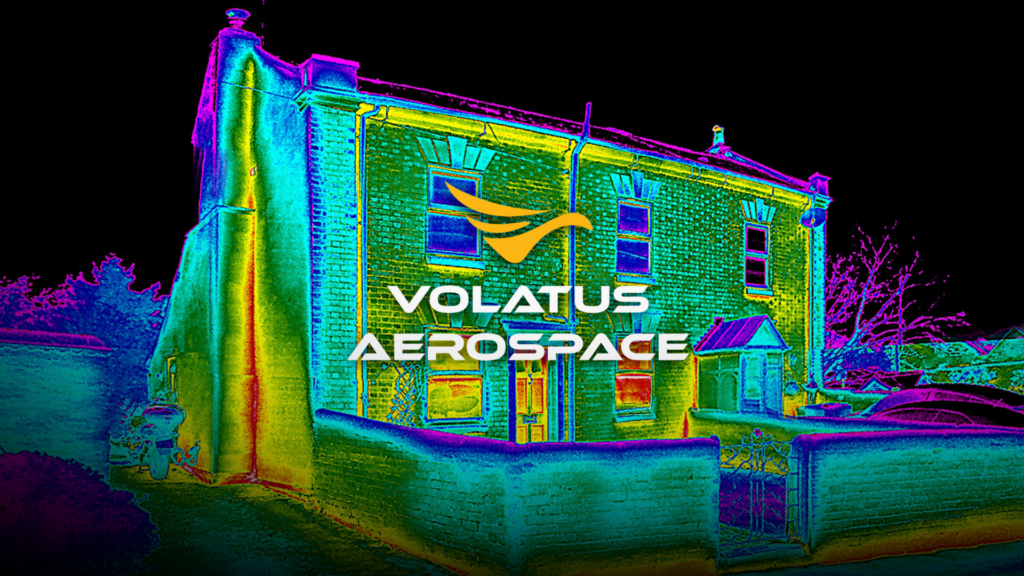
Thermal imaging uses infrared technology to detect differences in surface temperature that cannot be seen with the naked eye. When the data is captured under appropriate conditions and interpreted by a trained professional, those temperature patterns can help identify areas where further investigation may be required.
Within buildings, thermal imaging can be used to investigate issues such as heat loss, missing or poorly performing insulation, air leakage and moisture-related anomalies. It can also provide insight into areas at greater risk of condensation and help assess irregularities in heating performance.
The value is not simply in producing a thermal image. It is in understanding what the image is showing and using that information alongside other evidence to determine the appropriate next step.
Thermal imaging should therefore be viewed as an investigative tool rather than a standalone diagnosis.
Moving From Reactive to More Informed Maintenance
For landlords, housing providers and property managers, identifying the source of a problem can be just as important as identifying the visible damage it has caused.
Damp and mould, for example, can result from several different factors. Water ingress, ventilation, insulation performance, thermal bridging and condensation can all contribute to similar symptoms. Addressing the visible mould without understanding why it developed can result in the problem returning.
Thermal imaging can provide additional evidence to help narrow down potential causes and target further investigation more effectively.
That can support a more proactive approach to property maintenance: identifying developing issues sooner, directing contractors towards specific areas of concern and helping avoid unnecessary remedial work.
Across larger housing or property portfolios, consistent survey data can also contribute to longer-term maintenance planning by helping teams understand which properties or building elements may require priority attention.
Better evidence can lead to better maintenance decisions, more effective use of budgets and warmer, healthier homes.
Taking Thermal Inspection to the Air
Not every part of a property can be inspected easily from ground level.
Roofs, chimneys, façades, gutters and other elevated areas can traditionally require ladders, scaffolding, access platforms or other specialist access arrangements simply to conduct an initial inspection.
Combining thermal imaging with drone technology provides another option.
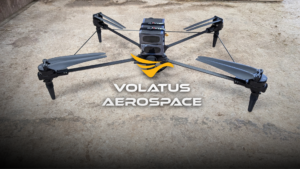
Our drone survey capability enables high-resolution visual and thermal imagery to be captured from difficult-to-reach areas, helping surveyors assess buildings and structures while reducing the need for physical access during the initial inspection.
For larger buildings and portfolios, aerial inspection can also provide a more comprehensive perspective by allowing significant areas to be assessed efficiently and the resulting imagery reviewed as part of the wider condition assessment.
It is one example of combining expertise in thermal imaging, specialist sensors and drone technology to support more informed inspection and asset-management decisions.
The Technology Is Only Part of the Equation
Thermal cameras are increasingly accessible, but capturing an image is not the same as conducting a reliable thermal inspection.
The temperature patterns displayed in a thermal image can be influenced by environmental conditions, the characteristics of the material being inspected and factors such as emissivity and reflectivity. Correct camera configuration, data capture and interpretation are therefore essential if the findings are going to inform real-world decisions.
This is particularly important in the property sector, where inspection findings could influence maintenance expenditure, contractor instructions, tenant communications or further professional investigation.
Training helps professionals understand not only how to operate a thermal camera, but how to collect meaningful data, recognise anomalies, understand the limitations of the technology and communicate findings appropriately.
Building Thermal Imaging Capability
Alongside its inspection services, Volatus provides specialist thermal imaging training for professionals who want to develop their own capabilities.
Current training options span introductory thermal imaging through more advanced thermography training, alongside courses specifically focused on building professionals and drone thermal imaging. Volatus also offers classroom, blended, e-learning and on-site training options.
For building surveyors, property inspectors, facilities professionals and others responsible for assessing the condition and performance of buildings, that training can help turn thermal imaging from an interesting piece of technology into a practical professional tool.
Our expertise extends beyond buildings. Thermal imaging capabilities include building and housing-stock surveys, aerial thermal surveys, electrical inspections, solar farms and data centres, providing experience across a wide range of environments where temperature data can help identify faults, performance issues or areas requiring closer investigation. We don’t just survey properties – we reveal them.
To learn more about how thermal imaging can help landlords investigate hidden property issues, plan maintenance more effectively and support healthier homes, pick up the latest issue of Property & Home magazine and read the feature, “See What Your Property is Telling You.”
Want to develop your own thermal imaging capability?
Explore our thermal imaging training courses in the United Kingdom and learn how to capture, interpret and apply thermal data accurately and professionally.